
Design Your Product for the Right Segment: Market Segmentation Simulation – Prof. Noyal Wilson
Design Your Product for the Right Segment: Market Segmentation Simulation – Prof. Noyal Wilson

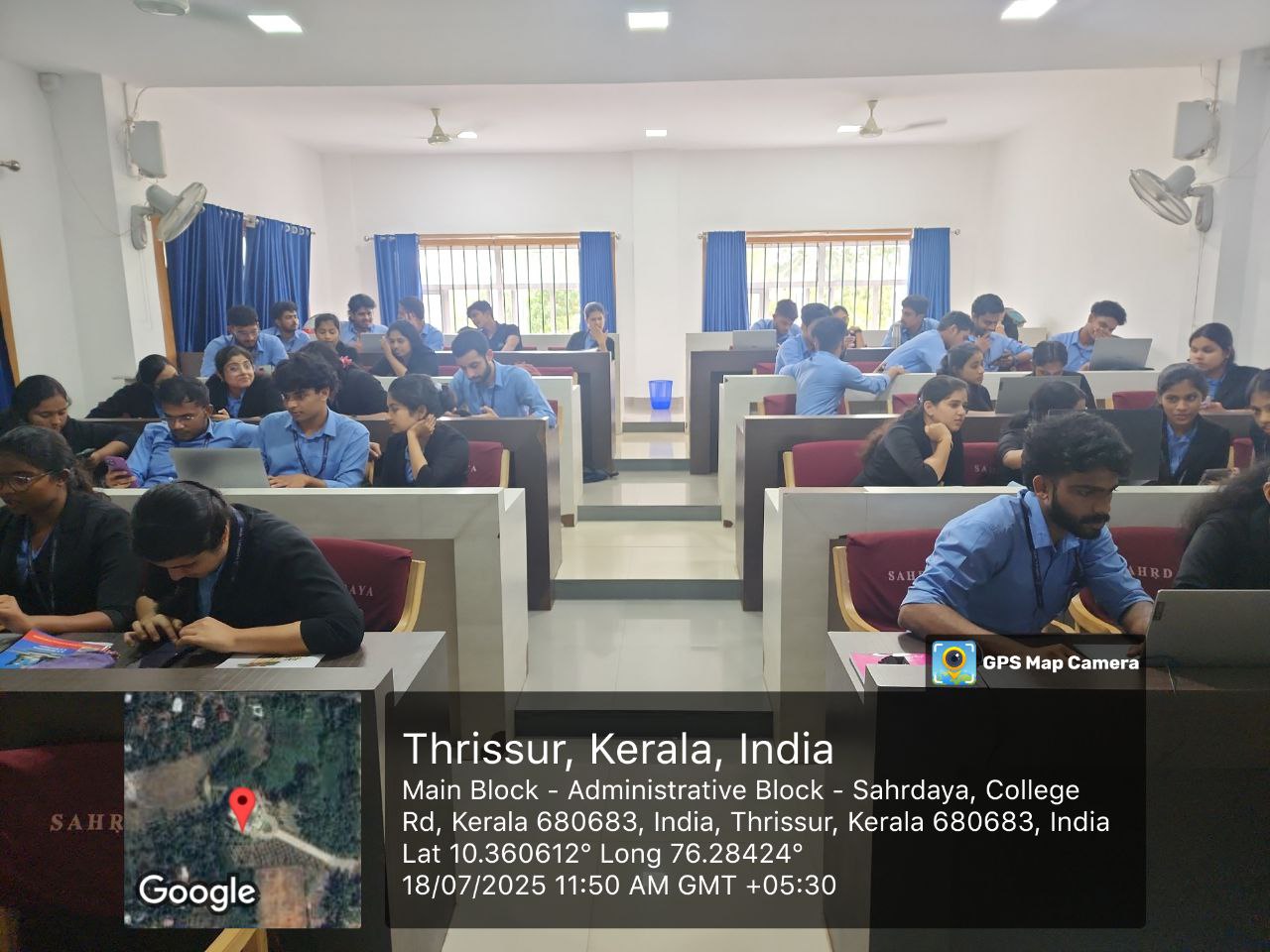
This activity was implemented as an interactive simulation-based learning initiative for the course Consumer Behaviour & Marketing Research, aimed at enhancing students’ understanding of market segmentation and targeted marketing strategies.
Statement of Clear Goals of the Initiative
- To develop a practical understanding of market segmentation using multiple bases
- To enable students to identify and profile target customer segments
- To enhance strategic thinking in designing products for specific markets
- To improve creativity in developing marketing messages and positioning strategies
- To promote collaborative and application-oriented learning
Need Identification
Market segmentation is a fundamental concept in marketing; however, students often struggle to apply segmentation variables in real business contexts. Traditional teaching methods emphasize theoretical knowledge but provide limited opportunities for hands-on application. There was a need for an activity that allows students to actively engage in segmenting markets, selecting target audiences, and designing tailored marketing strategies, thereby strengthening their practical understanding.
Description of the Initiative Used
The Market Segmentation Simulation is a team-based activity where students analyze product categories and identify suitable market segments using real-world segmentation variables.
Structure of Activity:
- Students are divided into teams and assigned a product category (e.g., smartphones, cereals, sports shoes, etc.)
- Each team segments the market using at least three bases such as demographic, psychographic, and behavioral variables
- Teams select one target segment and:
- Develop a detailed customer profile
- Design a product tailored to the segment
- Create a tagline and marketing message
- Teams present their segment and product strategy
Duration:
30 minutes
Tools/Techniques Used:
- Segmentation frameworks (demographic, psychographic, behavioral)
- Creative thinking and group discussion
Assessment Strategy:
- Evaluation based on relevance, creativity, and strategic alignment
Rubrics Applied:
- Accuracy and depth of segmentation
- Clarity of target segment profiling
- Creativity in product design and messaging
- Effectiveness of presentation and teamwork
Industry Integration:
Reflects real-world marketing practices where companies segment markets and design products for specific customer groups.
Innovation Component
- Uses a simulation-based approach to teach segmentation concepts
- Encourages learning by doing, rather than passive understanding
- Integrates analytical thinking with creativity and strategy formulation
- Mimics real-world product development and targeting decisions
- Promotes collaborative problem-solving in a time-bound setting
Significance of Results
Measurable Outcomes:
- Improved ability to apply segmentation variables effectively
- Enhanced skills in identifying and targeting specific customer groups
- Increased student participation and engagement
Qualitative Impact:
- Better understanding of how marketing strategies are tailored to segments
- Improved creativity in product design and communication
- Strengthened strategic thinking and decision-making skills
Student Feedback Summary
Overall Rating:
Highly Positive
Key Appreciations:
- Practical and engaging learning experience
- Opportunity to apply theoretical concepts
- Creative freedom in designing products and campaigns
Areas for Further Improvement:
- More time for deeper analysis
- Inclusion of real market data for enhanced realism
Reflective Critique by Faculty
What Worked Well:
- Active participation and enthusiastic involvement
- Effective application of segmentation concepts
- High-quality and creative student outputs
Challenges Faced:
- Time constraints for detailed strategy development
- Variation in depth of analysis among teams
Conclusion
The Market Segmentation Simulation effectively transformed theoretical concepts into a practical and engaging learning experience. By actively involving students in segment identification, product design, and targeted communication, the activity enhanced their strategic thinking and application skills. The simulation-based approach successfully bridged the gap between theory and practice, making it a valuable pedagogical tool in marketing education.
Share This Story, Choose Your Platform!
Share This Story,
Design Your Product for the Right Segment: Market Segmentation Simulation – Prof. Noyal Wilson
Design Your Product for the Right Segment: Market Segmentation Simulation – Prof. Noyal Wilson
This activity was implemented as an interactive simulation-based learning initiative for the course Consumer Behaviour & Marketing Research, aimed at enhancing students’ understanding of market segmentation and targeted marketing strategies.
Statement of Clear Goals of the Initiative
- To develop a practical understanding of market segmentation using multiple bases
- To enable students to identify and profile target customer segments
- To enhance strategic thinking in designing products for specific markets
- To improve creativity in developing marketing messages and positioning strategies
- To promote collaborative and application-oriented learning
Need Identification
Market segmentation is a fundamental concept in marketing; however, students often struggle to apply segmentation variables in real business contexts. Traditional teaching methods emphasize theoretical knowledge but provide limited opportunities for hands-on application. There was a need for an activity that allows students to actively engage in segmenting markets, selecting target audiences, and designing tailored marketing strategies, thereby strengthening their practical understanding.
Description of the Initiative Used
The Market Segmentation Simulation is a team-based activity where students analyze product categories and identify suitable market segments using real-world segmentation variables.
Structure of Activity:
- Students are divided into teams and assigned a product category (e.g., smartphones, cereals, sports shoes, etc.)
- Each team segments the market using at least three bases such as demographic, psychographic, and behavioral variables
- Teams select one target segment and:
- Develop a detailed customer profile
- Design a product tailored to the segment
- Create a tagline and marketing message
- Teams present their segment and product strategy
Duration:
30 minutes
Tools/Techniques Used:
- Segmentation frameworks (demographic, psychographic, behavioral)
- Creative thinking and group discussion
Assessment Strategy:
- Evaluation based on relevance, creativity, and strategic alignment
Rubrics Applied:
- Accuracy and depth of segmentation
- Clarity of target segment profiling
- Creativity in product design and messaging
- Effectiveness of presentation and teamwork
Industry Integration:
Reflects real-world marketing practices where companies segment markets and design products for specific customer groups.
Innovation Component
- Uses a simulation-based approach to teach segmentation concepts
- Encourages learning by doing, rather than passive understanding
- Integrates analytical thinking with creativity and strategy formulation
- Mimics real-world product development and targeting decisions
- Promotes collaborative problem-solving in a time-bound setting
Significance of Results
Measurable Outcomes:
- Improved ability to apply segmentation variables effectively
- Enhanced skills in identifying and targeting specific customer groups
- Increased student participation and engagement
Qualitative Impact:
- Better understanding of how marketing strategies are tailored to segments
- Improved creativity in product design and communication
- Strengthened strategic thinking and decision-making skills
Student Feedback Summary
Overall Rating:
Highly Positive
Key Appreciations:
- Practical and engaging learning experience
- Opportunity to apply theoretical concepts
- Creative freedom in designing products and campaigns
Areas for Further Improvement:
- More time for deeper analysis
- Inclusion of real market data for enhanced realism
Reflective Critique by Faculty
What Worked Well:
- Active participation and enthusiastic involvement
- Effective application of segmentation concepts
- High-quality and creative student outputs
Challenges Faced:
- Time constraints for detailed strategy development
- Variation in depth of analysis among teams
Conclusion
The Market Segmentation Simulation effectively transformed theoretical concepts into a practical and engaging learning experience. By actively involving students in segment identification, product design, and targeted communication, the activity enhanced their strategic thinking and application skills. The simulation-based approach successfully bridged the gap between theory and practice, making it a valuable pedagogical tool in marketing education.