Around the Table: Cultural Consumption Norms – Prof. Noyal Wilson
Around the Table: Cultural Consumption Norms – Prof. Noyal Wilson
This activity was implemented as an interactive and research-based learning initiative for the course Consumer Behaviour & Marketing Research, aimed at developing students’ understanding of cultural influences on consumption patterns.
Statement of Clear Goals of the Initiative
- To enhance understanding of cultural influences on consumer behaviour
- To develop awareness of global consumption norms and practices
- To improve research and presentation skills
- To foster intercultural sensitivity and adaptability
- To encourage collaborative and experiential learning
Need Identification
In a globalized business environment, understanding cultural differences in consumption is critical for effective marketing and management. However, students often lack exposure to diverse cultural practices and their impact on consumer behaviour. Traditional teaching methods may not adequately capture the nuances of cultural norms. This initiative addresses the need for experiential and research-driven learning to help students appreciate cultural diversity in consumption patterns.
Description of the Initiative Used
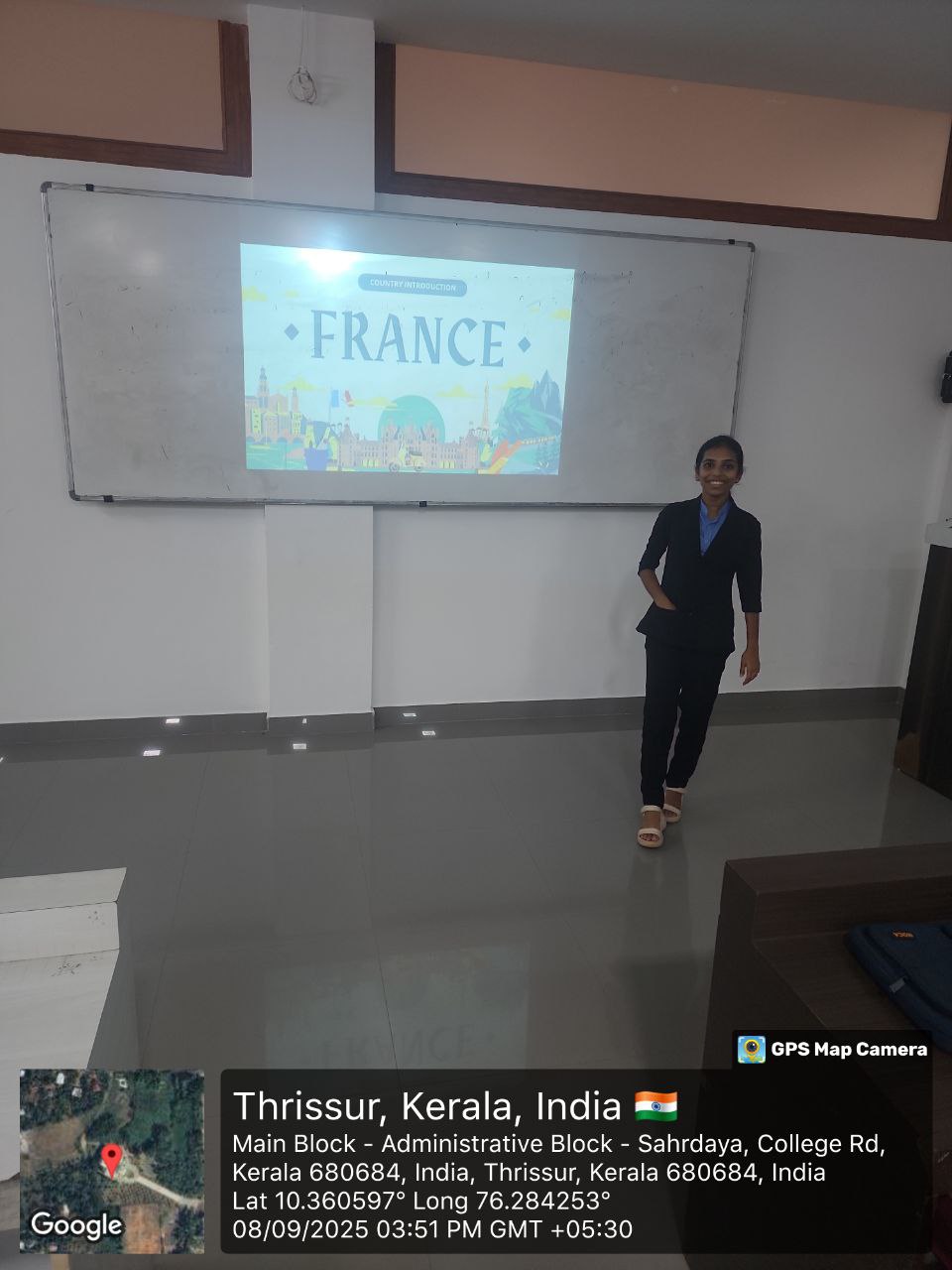
The “Around the Table: Cultural Consumption Norms” activity is a group-based research and presentation exercise focusing on consumption practices across different cultures.
Structure of Activity:
- Students are divided into groups and assigned or allowed to choose different cultures
- Groups research key aspects such as:
- Meal structures and food habits
- Dining etiquette and customs
- Beverage traditions
- Hospitality practices and gift-giving norms
- Cultural taboos related to consumption
- Each group prepares a 5-minute presentation supported by visual aids
- Groups present their findings and share unique or surprising cultural insights
- A debrief session is conducted to reflect on learning outcomes
Duration:
Conducted over a session including research, preparation, and presentation
Tools/Techniques Used:
- Internet research and secondary data sources
- Presentation tools (PPT, visuals, examples)
Assessment Strategy:
- Evaluation based on depth of research, presentation quality, and insights
Rubrics Applied:
- Accuracy and comprehensiveness of cultural research
- Quality and creativity of presentation
- Ability to relate culture to consumption behaviour
- Team collaboration and participation
Industry Integration:
Highlights the importance of cultural understanding in global marketing, international business, and customer experience management.
Innovation Component
- Integrates cultural research with consumer behaviour concepts
- Encourages experiential and discussion-based learning
- Promotes global awareness and cross-cultural sensitivity
- Uses interactive presentations and reflection-based learning
- Moves beyond textbooks to real-world cultural exploration
Significance of Results
Measurable Outcomes:
- Improved understanding of cultural influences on consumption
- Enhanced research and presentation skills
- Increased student engagement and participation
Qualitative Impact:
- Greater appreciation of cultural diversity and global perspectives
- Improved ability to adapt marketing strategies to different cultures
- Development of critical thinking and reflective learning skills
Student Feedback Summary
Overall Rating:
Highly Positive
Key Appreciations:
- Interesting and informative cultural insights
- Interactive and engaging learning method
- Opportunity to explore global practices
Areas for Further Improvement:
- More time for deeper research
- Inclusion of live demonstrations or role plays
Reflective Critique by Faculty
What Worked Well:
- High level of student curiosity and engagement
- Strong linkage between theory and real-world cultural practices
- Quality presentations with diverse perspectives
Challenges Faced:
- Time limitations for comprehensive coverage
- Ensuring equal contribution from all group members
Conclusion
The “Around the Table: Cultural Consumption Norms” activity effectively enhanced students’ understanding of the role of culture in shaping consumer behaviour. By engaging in research, discussion, and presentation, students developed global awareness and intercultural sensitivity, which are essential in today’s business environment. The activity successfully bridged theoretical concepts with real-world cultural practices, making learning more meaningful and impactful.
Share This Story, Choose Your Platform!
Share This Story,
Around the Table: Cultural Consumption Norms – Prof. Noyal Wilson
Around the Table: Cultural Consumption Norms – Prof. Noyal Wilson
This activity was implemented as an interactive and research-based learning initiative for the course Consumer Behaviour & Marketing Research, aimed at developing students’ understanding of cultural influences on consumption patterns.
Statement of Clear Goals of the Initiative
- To enhance understanding of cultural influences on consumer behaviour
- To develop awareness of global consumption norms and practices
- To improve research and presentation skills
- To foster intercultural sensitivity and adaptability
- To encourage collaborative and experiential learning
Need Identification
In a globalized business environment, understanding cultural differences in consumption is critical for effective marketing and management. However, students often lack exposure to diverse cultural practices and their impact on consumer behaviour. Traditional teaching methods may not adequately capture the nuances of cultural norms. This initiative addresses the need for experiential and research-driven learning to help students appreciate cultural diversity in consumption patterns.
Description of the Initiative Used
The “Around the Table: Cultural Consumption Norms” activity is a group-based research and presentation exercise focusing on consumption practices across different cultures.
Structure of Activity:
- Students are divided into groups and assigned or allowed to choose different cultures
- Groups research key aspects such as:
- Meal structures and food habits
- Dining etiquette and customs
- Beverage traditions
- Hospitality practices and gift-giving norms
- Cultural taboos related to consumption
- Each group prepares a 5-minute presentation supported by visual aids
- Groups present their findings and share unique or surprising cultural insights
- A debrief session is conducted to reflect on learning outcomes
Duration:
Conducted over a session including research, preparation, and presentation
Tools/Techniques Used:
- Internet research and secondary data sources
- Presentation tools (PPT, visuals, examples)
Assessment Strategy:
- Evaluation based on depth of research, presentation quality, and insights
Rubrics Applied:
- Accuracy and comprehensiveness of cultural research
- Quality and creativity of presentation
- Ability to relate culture to consumption behaviour
- Team collaboration and participation
Industry Integration:
Highlights the importance of cultural understanding in global marketing, international business, and customer experience management.
Innovation Component
- Integrates cultural research with consumer behaviour concepts
- Encourages experiential and discussion-based learning
- Promotes global awareness and cross-cultural sensitivity
- Uses interactive presentations and reflection-based learning
- Moves beyond textbooks to real-world cultural exploration
Significance of Results
Measurable Outcomes:
- Improved understanding of cultural influences on consumption
- Enhanced research and presentation skills
- Increased student engagement and participation
Qualitative Impact:
- Greater appreciation of cultural diversity and global perspectives
- Improved ability to adapt marketing strategies to different cultures
- Development of critical thinking and reflective learning skills
Student Feedback Summary
Overall Rating:
Highly Positive
Key Appreciations:
- Interesting and informative cultural insights
- Interactive and engaging learning method
- Opportunity to explore global practices
Areas for Further Improvement:
- More time for deeper research
- Inclusion of live demonstrations or role plays
Reflective Critique by Faculty
What Worked Well:
- High level of student curiosity and engagement
- Strong linkage between theory and real-world cultural practices
- Quality presentations with diverse perspectives
Challenges Faced:
- Time limitations for comprehensive coverage
- Ensuring equal contribution from all group members
Conclusion
The “Around the Table: Cultural Consumption Norms” activity effectively enhanced students’ understanding of the role of culture in shaping consumer behaviour. By engaging in research, discussion, and presentation, students developed global awareness and intercultural sensitivity, which are essential in today’s business environment. The activity successfully bridged theoretical concepts with real-world cultural practices, making learning more meaningful and impactful.